
Similar to P. gibbosum but the petals have maroon blotches. This is probably a hybrid, though the parentage is not known.


Photo © Edgar
Glauciifolium
‘Glauciifolium’ is a primary hybrid raised by R.H. Jenkins, before 1822. It is a cross between P. gibbosum and P. lobatum.
I think this is one of the best nightscented pelargoniums, strong and more almond flavour than P. gibbosum.


Schottii
Schottii is believed to be a hybrid of P. fulgidum and P. lobatum.
Before 1869.


Shannon
‘Shannon’ is an hybrid from Jay Kapac, California. It has thin stems and trailing habit, and produces lots of flowers during the season.
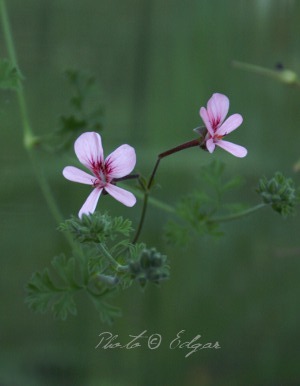
P. tomentosum
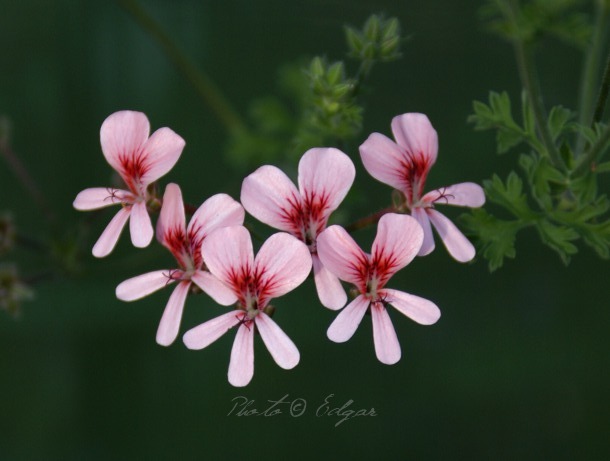
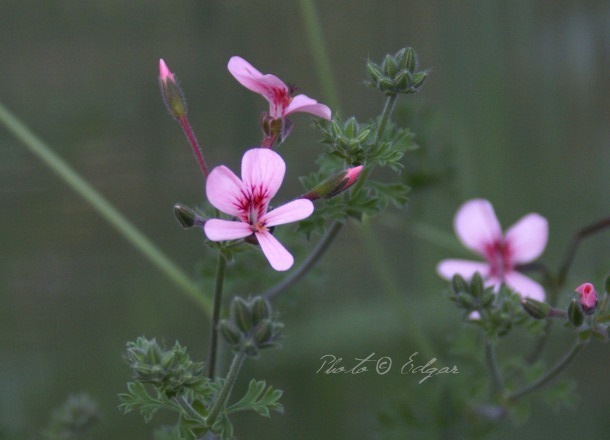
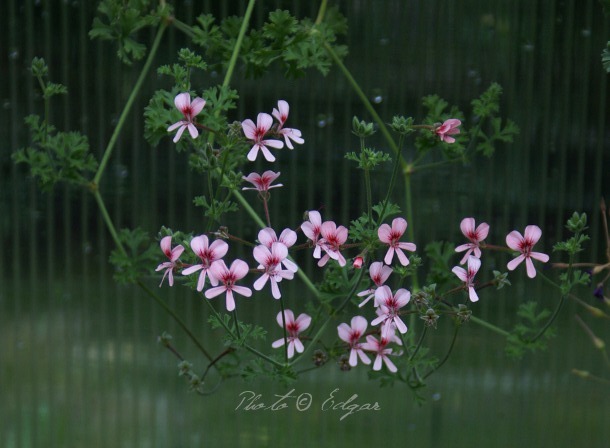
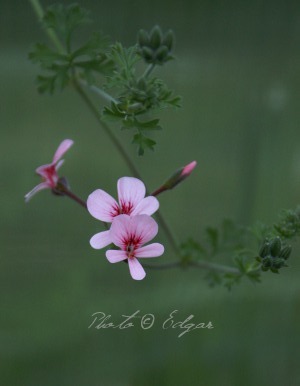
P. tomentosum is in the section Pelargonium. It has small white flowers. The leaves are big with strong peppermint scent. The leaves are covered with small hairs and are very soft to touch. The name also means “hairy”.
This species is wide-spreading and thrives in semi-shade.
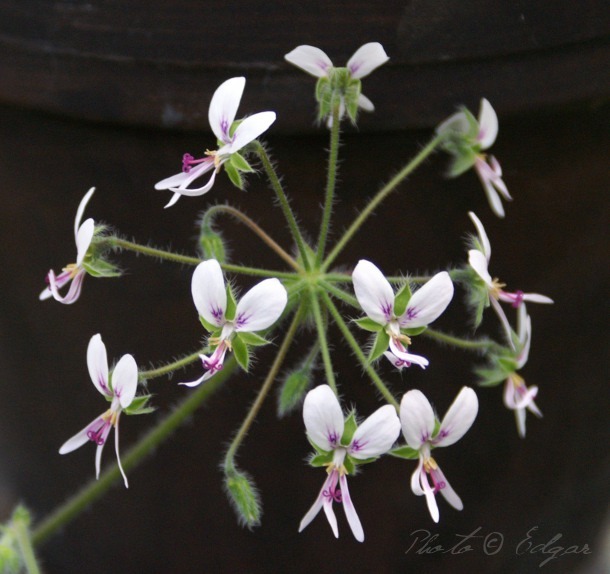
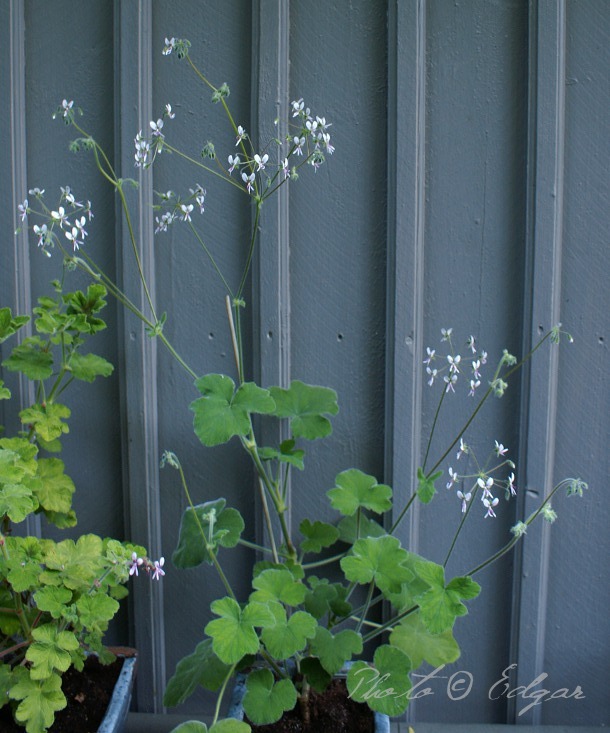
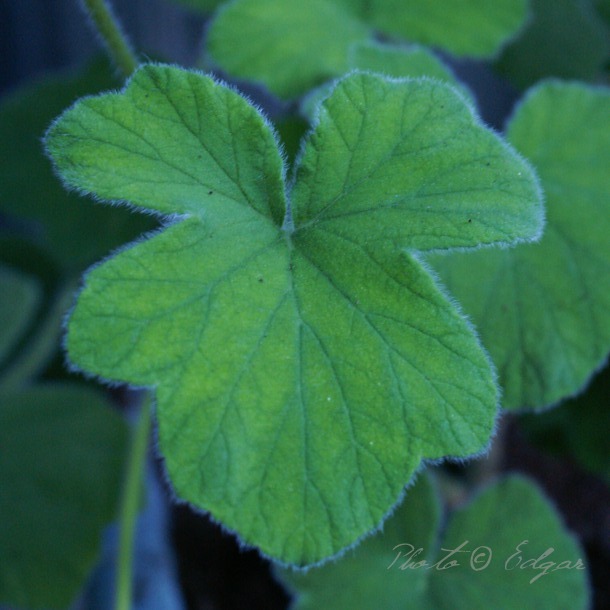

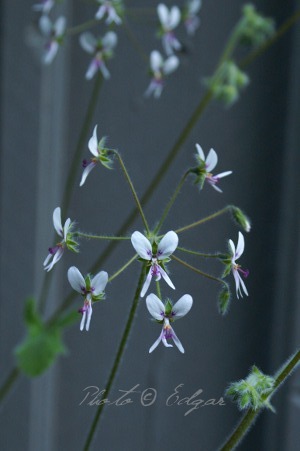
Sidolicious Maroon
P. sidoides x Deerwood Lavender Lad.
Pollination in 2010 and seedling raised in 2011 by Edgar.
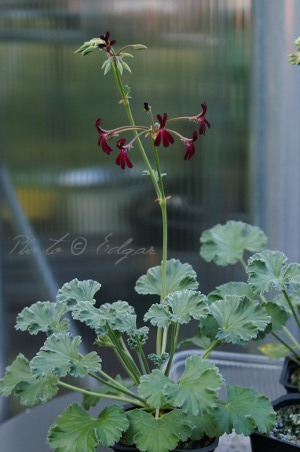
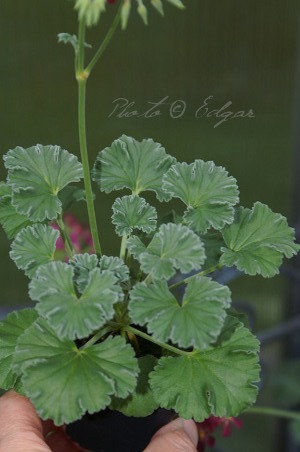
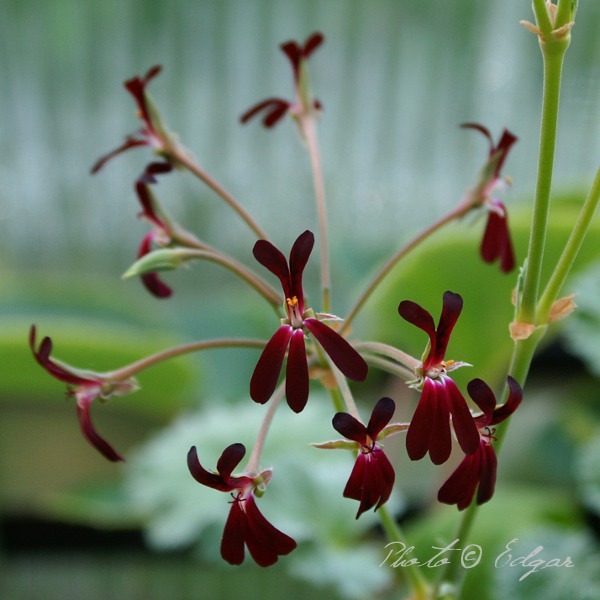
This hybrid has inherited some of the scent from P. sidoides’ flower, and some of the scent from Deerwood Lavender Lad’s leaves.
From the pollination I got two plants, and they are slightly different in colour and shape of the petals. Sidolicious Maroon left and Sidolicious Purple right:
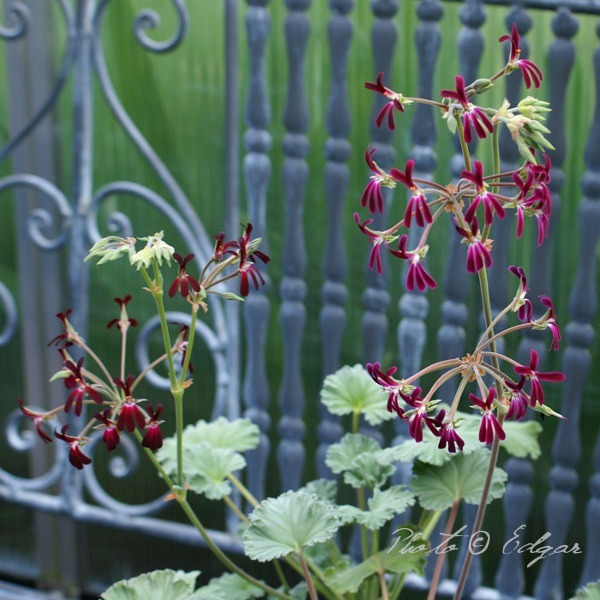
Photo © Edgar
Sidolicious Purple
P. sidoides x Deerwood Lavender Lad.
Pollination in 2010 and seedling raised in 2011 by Edgar.
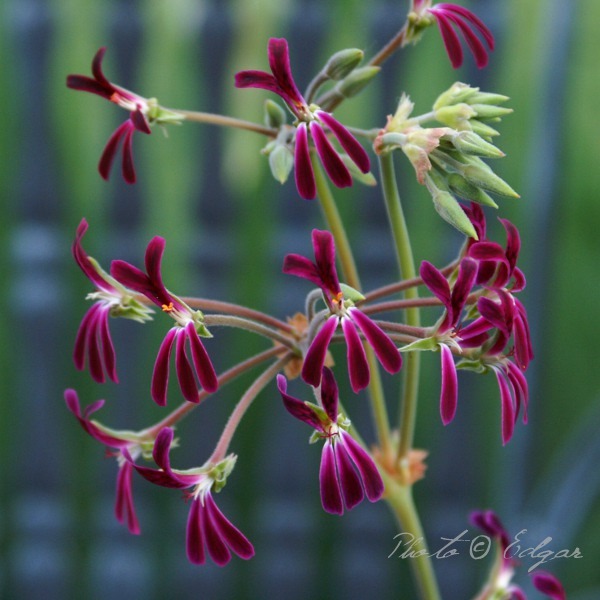
Sidolicious Purple
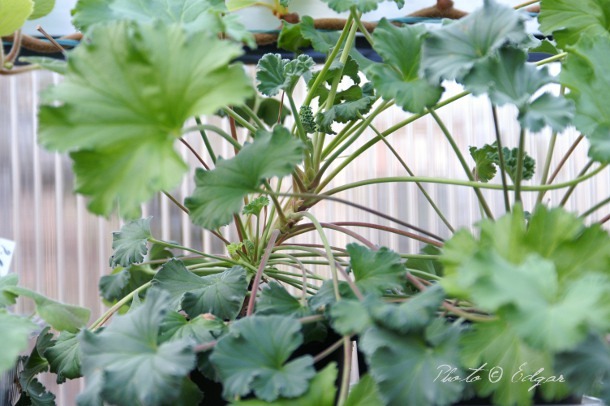
This hybrid has inherited some of the scent from P. sidoides’ flower, and some of the scent from Deerwood Lavender Lad’s leaves. (None of the scents as strong as they appear on the parentage).
From the pollination I got two plants, and they are slightly different in colour and shape of the petals. Sidolicious Maroon left and Sidolicious Purple right:
Photo © Edgar
P. gibbosum
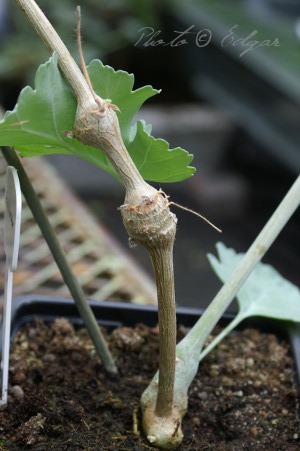
P. gibbosum has night-scented flowers and is the only stem-succulent in the section Polyactium.
It is winter-growing and drops it’s leaves under warm and dry conditions.
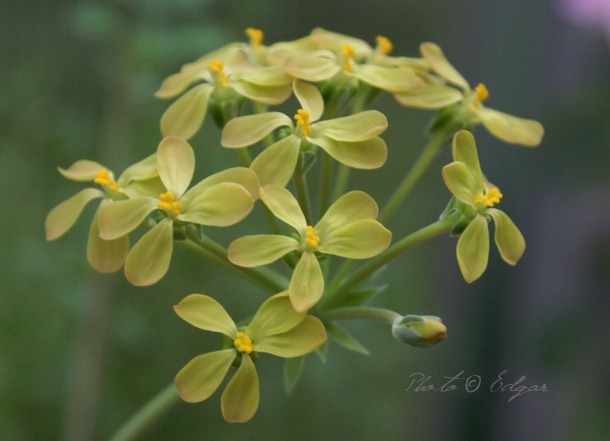
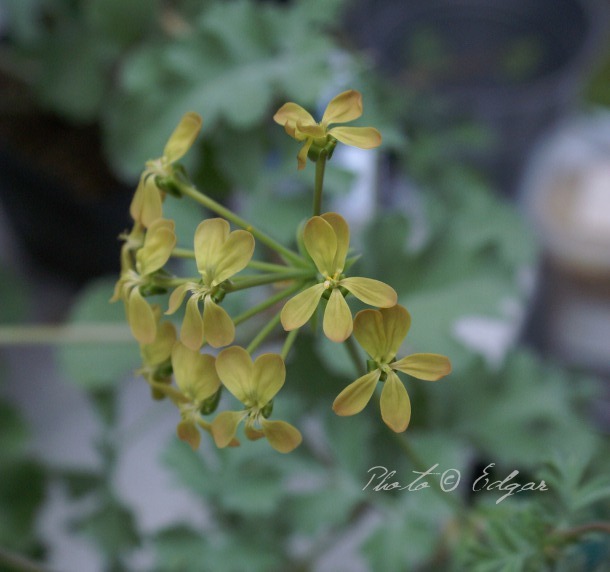
The name means gibbous and refers to the swollen stems at the nodes.
Gibbosinas (intro)
This post is an overview over my Gibbosina hybrids (P. gibbosum x Cortusina)
I did the pollinating in late summer 2009. Then the seeds were sown in January 2010.
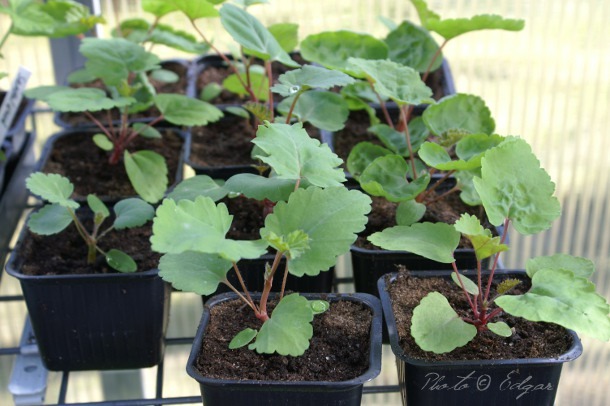
Here are the plants in April 2010 (about 3 months).
The first flower came in July (from six months and later). The photo below is from the beginning of August.
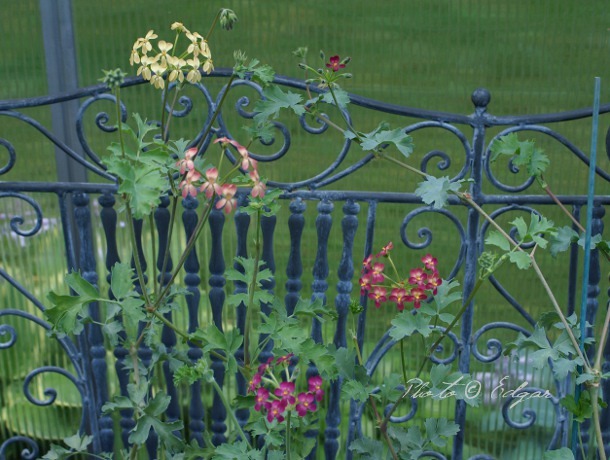
From top left: Gibbosina Yellow, Gibbosina Purple (one flower), Gibbosina Bicolor, Gibbosina Orchid and Gibbosina Violet (bottom).
The flowers are night scented. Here they are all twelve:
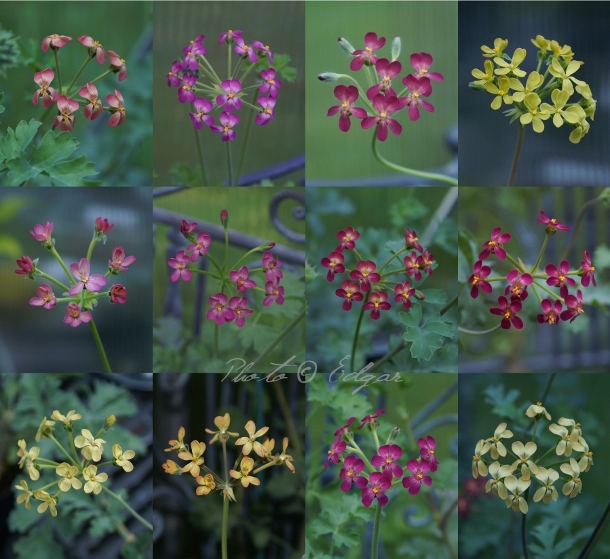
From top left: Gibbosina Bicolor, Gibbosina Bright, Gibbosina Dusty, Gibbosina Lemon
Middle from left: Gibbosina Light, Gibbosina Lilac, Gibbosina Orchid, Gibbosina Purple
Bottom from left: Gibbosina Spotty, Gibbosina Sunny, Gibbosina Violet, Gibbosina Yellow
I have chosen out the six most different ones: Purple, Bicolor, Orchid + Bright, Light, and Violet. The rest is kept (temporary?) for perhaps further crossing.
Update: Only Purple, Orchid and Bicolor are spread. And of the rest, only Violet is kept (for myself).
The photos below show the stems after they are cut back in spring 2011.
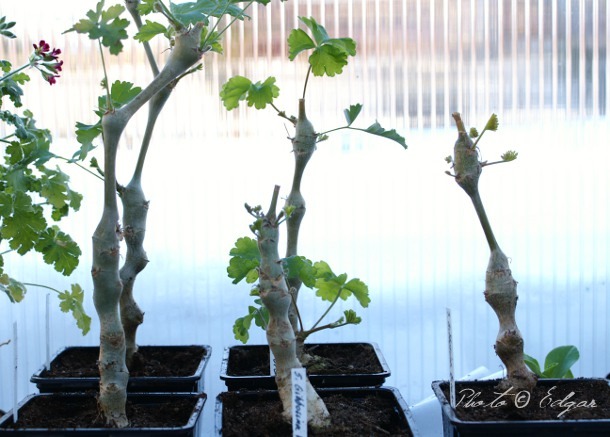
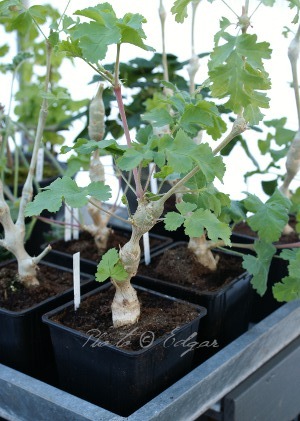
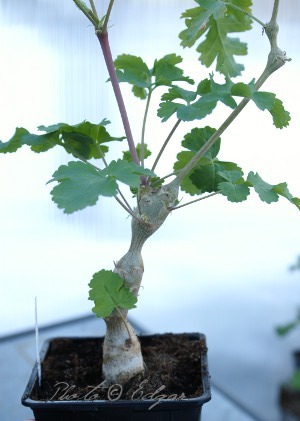
All photos © Edgar
Gibbosina Light
P. gibbosum x P. ‘Cortusina’
Pollination in 2009 and seedling raised in 2010 by Edgar. Not kept.
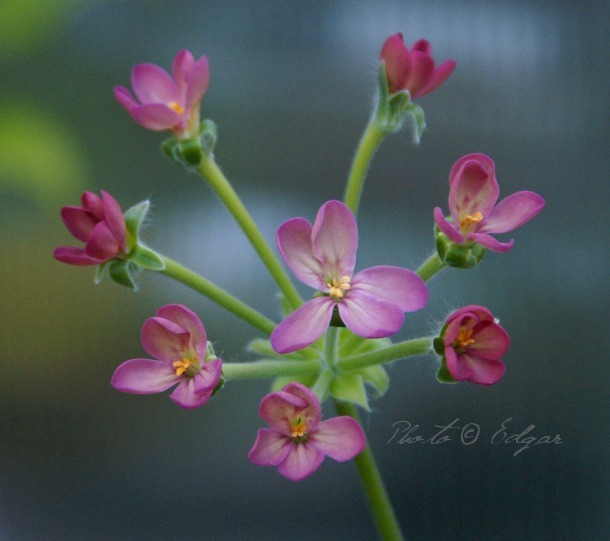
Gibbosina Light has the lightest colour of my Gibbosinas – pale lilac pink. The colour fades with the flower’s age.
Nightscented.
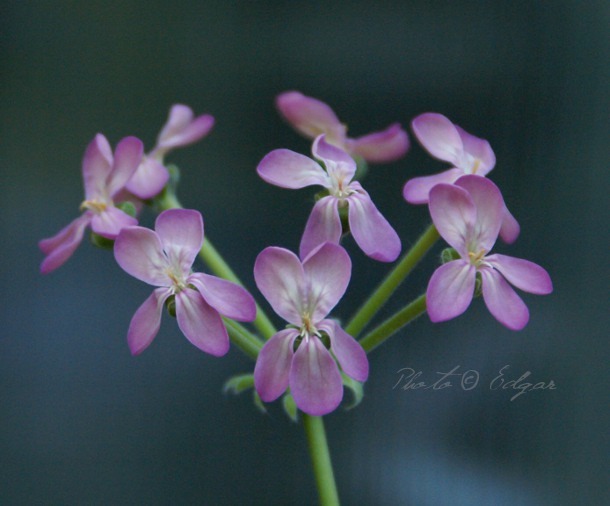
Photo © Edgar